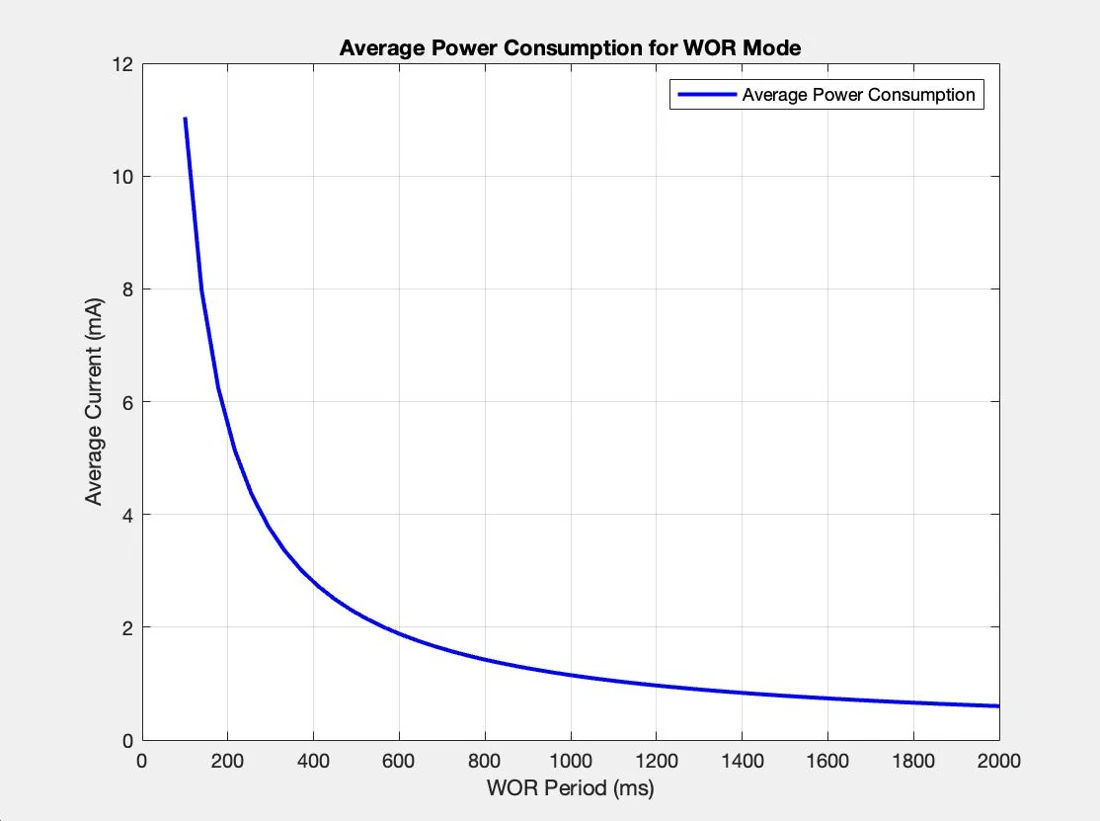
EBYTE's LoRa modules come equipped with a powerful feature known as "wake-on-radio," a technology that allows the module to automatically transition into a sleep mode when it is not actively receiving radio signals. This intelligent power management mechanism ensures that the module remains dormant during periods of inactivity, drastically reducing energy consumption compared to traditional always-on modules. By selectively activating only when necessary, these modules can maintain a high level of efficiency, which is critical for battery-operated IoT devices that are expected to operate continuously over long periods without frequent maintenance.
This wake-on-radio feature is particularly important for long-term IoT applications that rely on battery power, especially when deployed in remote or challenging environments. For instance, agricultural sensors spread over vast fields, wildlife tracking devices operating in isolated regions, and remote weather stations monitoring climatic conditions all benefit immensely from reduced power consumption. In each of these scenarios, the ability of the device to conserve energy without sacrificing performance can lead to more reliable data collection and significantly lower maintenance costs, thereby enhancing the overall sustainability and operational viability of the IoT network.
Selecting the mode with M0 and M1
On the E220 series, the operating mode is selected with the logic levels of the M0 and M1 pins. We switched between modes by driving these two pins from the microcontroller.
| Mode | M1 | M0 | Description |
|---|---|---|---|
| 0 · Normal | 0 | 0 | UART and wireless channel open, transparent transmission |
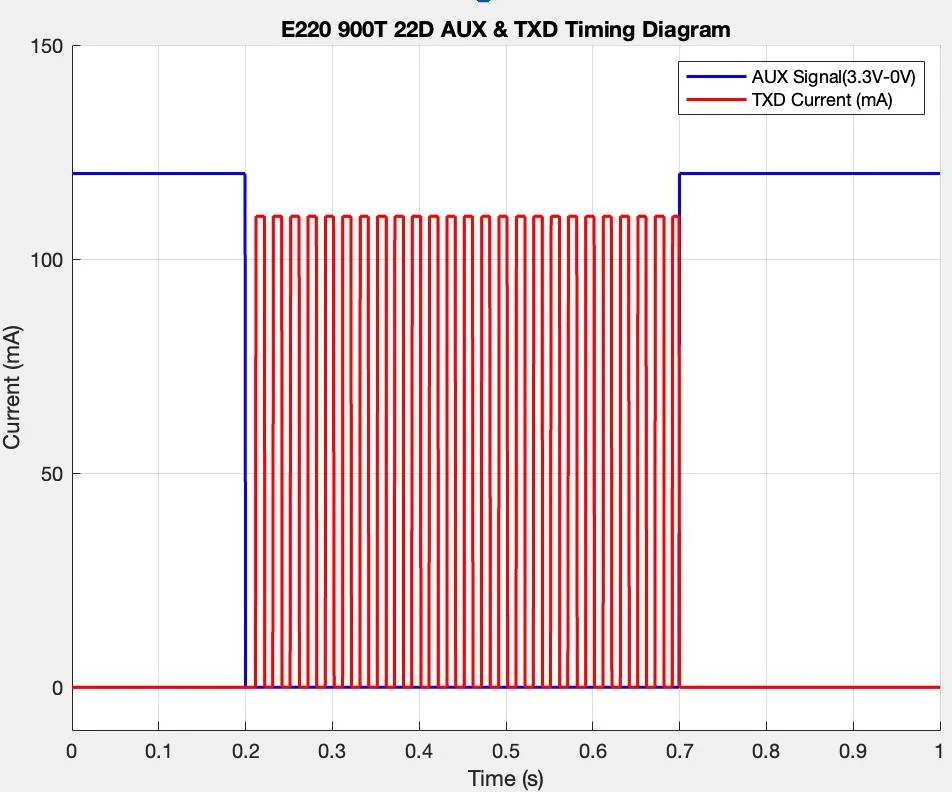
| 1 · WOR transmitter | 0 | 1 | Adds a wake-up preamble before transmitting |
| 2 · WOR receiver | 1 | 0 | Wakes up periodically and listens for the preamble |
| 3 · Deep sleep | 1 | 1 | Module sleeps; parameters are configured in this mode |
Use at our launch pad
At our launch pad, we plan to harness the benefits of this technology to dramatically increase battery life. The implementation of wake-on-radio technology ensures that the modules remain in a low-power state until a relevant signal is detected, thereby preserving valuable energy resources. This strategy is especially important in our launch operations, where uninterrupted power supply is critical. By integrating this feature into our systems, we are taking a proactive step to safeguard our operations against any potential setbacks. Whether faced with unexpected delays or technical challenges, the extended battery life will provide a critical buffer, ensuring that our launch pad maintains its operational integrity and that power shortages do not impede our mission.
Furthermore, the application of wake-on-radio technology at the launch pad represents a strategic investment in reliability and operational efficiency. In environments where every watt of power is precious and system failures can have significant consequences, the assurance that our systems can sustain long-term operations is invaluable. This feature not only supports the immediate energy requirements of our critical infrastructure but also contributes to the overall resilience and robustness of our operations. By reducing the dependency on frequent battery replacements or external power interventions, we are creating a more self-sufficient and sustainable launch environment that is better equipped to handle unforeseen operational challenges.
Summary
In summary, the wake-on-radio capability in EBYTE's LoRa modules significantly enhances power efficiency and system reliability. It is a strong solution for both remote IoT applications and mission-critical operations like those at our launch pad, where maintaining a consistent power supply is paramount. As we integrate this technology into our infrastructure, we expect it not only to extend battery life but also to provide a much-needed safeguard against operational disruptions, supporting the success of our launch operations regardless of the challenges that may arise.
Originally published on the EGE Aerospace technical blog.